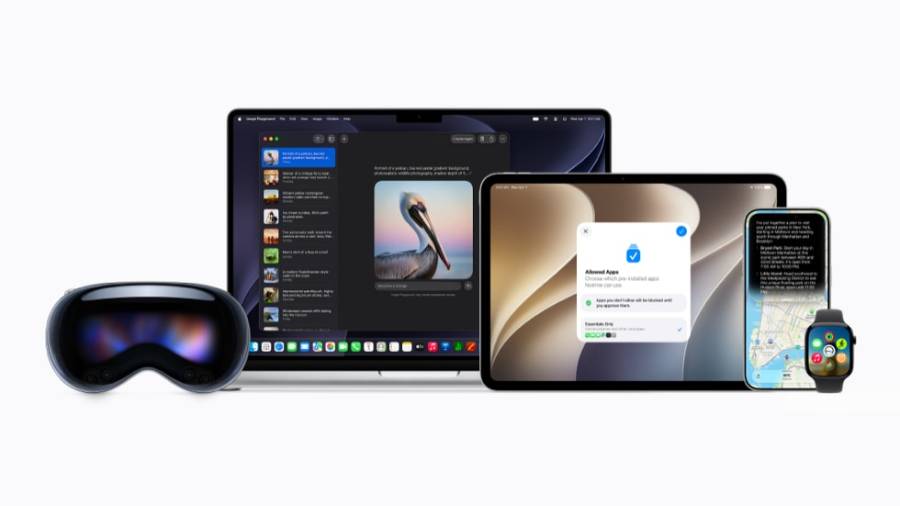
Apple officially kicked off its annual developer conference by unveiling iOS 27 and iPadOS 27, introducing a fundamentally redesigned Siri AI that shifts the long-standing assistant closer to an independent chatbot platform.
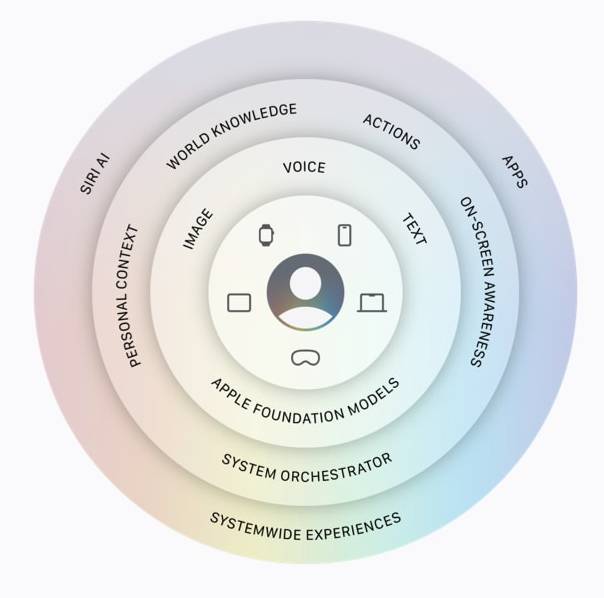
Siri AI is co-developed by Apple And Google and runs on the latter’s Gemini core.
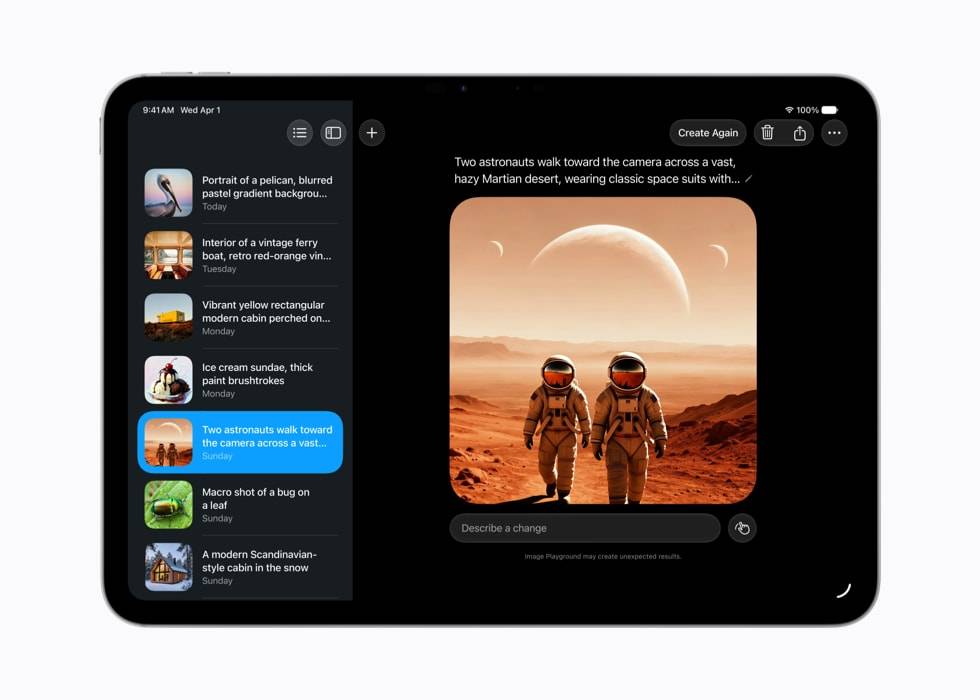
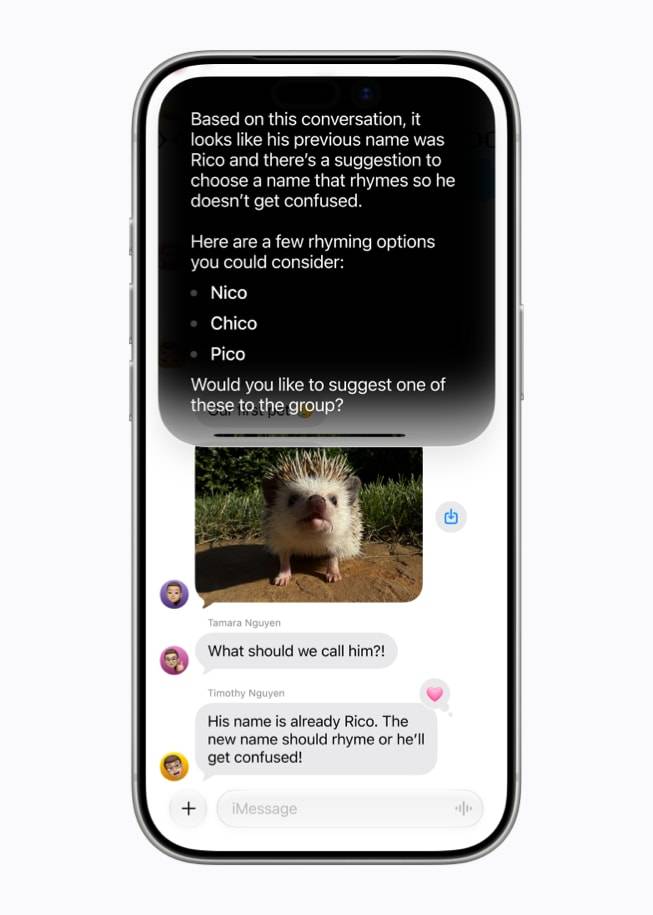
The core update transforms Siri from a simple overlay into a dedicated workspace environment. Users can swipe down from standard query results to access a persistent chat interface complete with conversation logs, multi-turn dialogue memory, and direct file or image upload capabilities.
This updated AI system maintains context across continuous prompts and syncs current sessions seamlessly across iOS, iPadOS, and macOS.
System-wide integration has also seen practical adjustments. The standard assistant overlay now populates directly from the Dynamic Island at the top of the screen to minimize active app interruption.
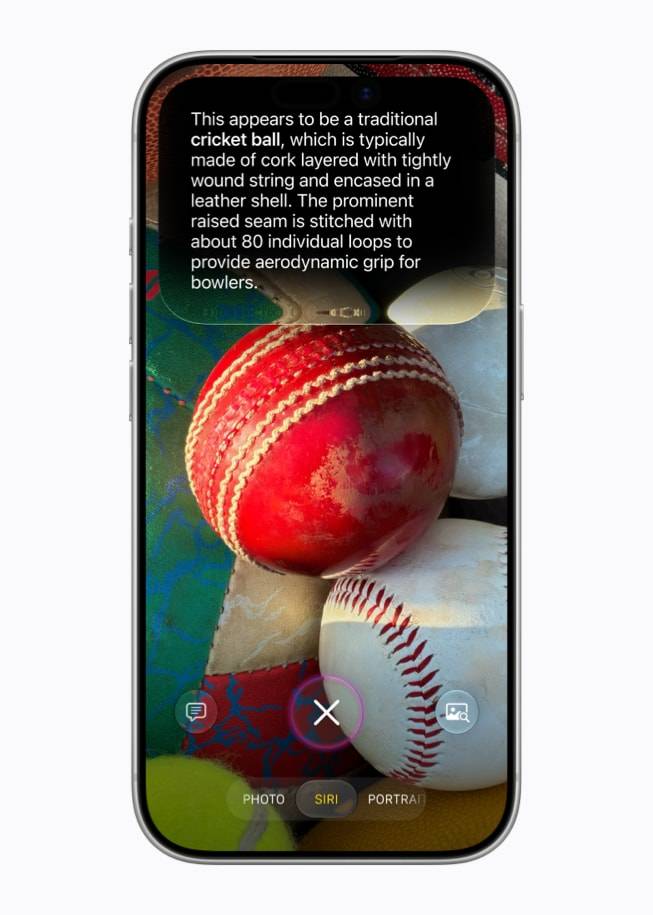
Within the native camera app, a dedicated Siri Live view analyzes real-time environmental elements and text, allowing users to automatically port physical invitations into digital calendar entries. The photos application gains a generative expand tool along with spatial recomposition features.
Due to ongoing regional regulatory compliance procedures, these core intelligence tools will not be available in China or the European Union at launch.

Hardware compatibility for the cloud and on-device AI suite remains limited to the iPhone 15 Pro series, the iPhone 16 lineup, and newer models.
However, standard system upgrades without the AI platform apply broadly to thirty legacy models, extending support back to the iPhone 11 series from 2019.
Visual tweaks across the board include a recontoured status bar with borderless battery iconography and an updated “liquid glass” rendering layer that supports custom refraction and contrast adjustment sliders.
Simultaneously, iPadOS 27 focuses heavily on filesystem stability and throughput.
File transfer rates from the tablet to external storage options see a fivefold speed improvement, bringing the local directory management layout closer to a desktop environment. Application initialization speeds also see an advertised 30% performance increase.
The developer preview builds are currently live, with a public beta phase slated for July ahead of the stable rollout alongside new hardware in September. While the base operating system remains a free update, utilizing the full local model capabilities requires an AI-compliant device, such as the base iPhone 16 starting at $799 (approx. RM3,500) or an M4-equipped iPad Pro.
For more tech news, stay tuned to MyMobileTrend