
iPhone 17 Pro Color Fading Controversy — The Real Reason Behind the Discoloration
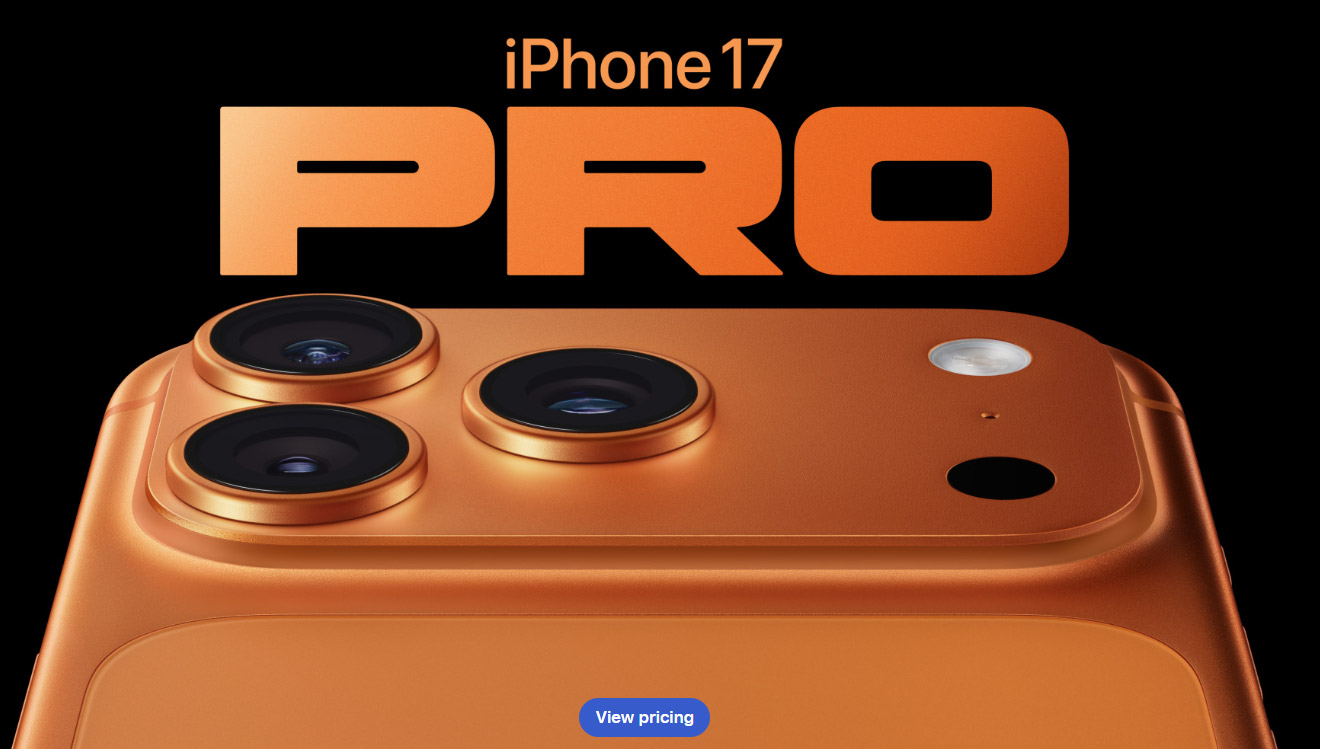
Over the past week, Apple’s latest flagship has been at the center of an unexpected controversy. Numerous iPhone 17 Pro users — particularly those who purchased the Starry Orange and Deep Blue variants — have reported visible fading or discoloration on the device’s aluminum frame.
Now, new findings suggest that Apple may have already been aware of what could cause it — and the answer lies hidden in its official cleaning guidelines.
Users Report Color Fading on iPhone 17 Pro Models
As reports of the so-called “iPhone 17 Pro Color-Gate” spread rapidly across social media, users began sharing photos showing color fading around the edges and camera housing. Some speculated it was due to heat, others blamed moisture or poor coating.
But according to technology analysts, the real cause might be chemical — not mechanical.
Apple’s Cleaning Warning Offers a Major Clue
While Apple has yet to issue an official statement addressing the iPhone 17 Pro’s fading issue, experts have turned their attention to Apple’s long-standing support article titled “How to Clean Your Apple Products.”
In that document, Apple explicitly warns users:
“Do not use products containing bleach or hydrogen peroxide.”
This single line has now become a major clue in understanding the fading phenomenon. Hydrogen peroxide — a common ingredient found in many household disinfectants and cleaning wipes — can be highly reactive when it comes into contact with anodized aluminum, which is the material used for the iPhone 17 Pro’s frame.
The Science Behind the Fading Colors
The iPhone 17 Pro’s frame is crafted from anodized aluminum alloy, a process that enhances corrosion resistance while allowing vibrant color finishes. The distinctive hues of models like Starry Orange are created through a dyeing process during anodization, followed by a sealing step to lock in the color.
However, hydrogen peroxide is a strong oxidizing agent. When used repeatedly or left on the surface, it can damage the dye molecules or the sealing layer that protects the anodized surface. Over time, this may cause the color pigments to break down or leach out — leading to visible fading or discoloration, especially in high-saturation finishes.
Areas around the camera island and frame edges, which may experience micro-abrasions or coating imperfections, are more vulnerable to this type of chemical degradation.
Apple’s Past Comments Align with the Findings
In earlier customer support responses, Apple representatives noted that the iPhone’s surface finish should not fade “unless exposed to external factors such as high heat or chemical agents.”
This aligns perfectly with the cleaning guideline’s caution about hydrogen peroxide and bleach, suggesting that improper cleaning habits could indeed accelerate color fading — even if unintentional.
What iPhone 17 Pro Owners Should Do
To avoid damage, experts strongly recommend following Apple’s official cleaning instructions:
-
Use a soft, lint-free cloth dampened with 70% isopropyl alcohol (IPA) or 75% ethanol wipes.
-
Avoid any cleaning products containing bleach, hydrogen peroxide, or other strong oxidizers.
-
Keep the device away from household disinfectant sprays and surface cleaners.
By adhering to these guidelines, users can significantly reduce the risk of discoloration and preserve the aesthetic quality of their iPhone 17 Pro for longer.
Conclusion: A Cautionary Tale for iPhone Owners
While Apple has yet to release a formal investigation report, the clues from its own documentation and material science analysis paint a clear picture. The iPhone 17 Pro’s striking anodized colors are more delicate than they appear — and common household cleaning agents may be their biggest enemy.
As the “color fading” debate continues online, one thing is certain: how you clean your iPhone matters more than ever.