Google began rolling out the stable version of Android 17 to Pixel devices on June 16 local time, alongside the launch of Wear OS 7 and the June 2026 Pixel Drop feature update.
The rollout covers 21 devices in total, from the Pixel 6 to the latest Pixel 10 lineup, with an update size of around 1.5GB, so a Wi-Fi connection is recommended.
Notably, this will be the last major OS update for the Pixel 6 and Pixel 6 Pro, as Google’s extended support window for those models closes in October 2026.
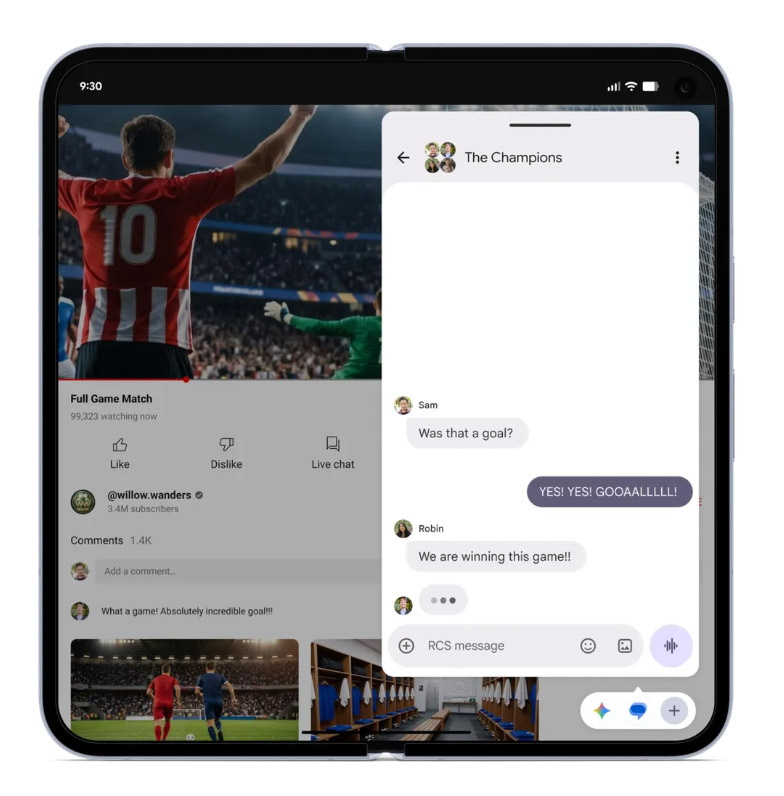
The headline addition is a new multitasking tool called Bubbles. Long-pressing any app icon turns it into a small floating window that stays accessible while using other apps, with up to five bubbles open at once — handy for checking a map or messages without leaving what you’re doing. On tablets and foldables, these bubbles dock into a dedicated bubble bar at the bottom of the screen for quicker switching, dragging, or expanding to full screen.
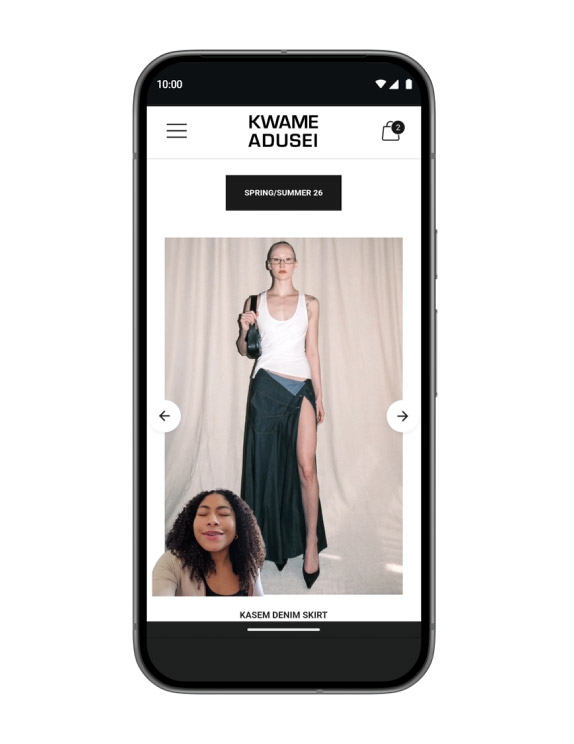
Another new feature, Screen Reactions, is aimed at content creators. It lets users record their screen and front camera at the same time, with AI automatically cutting out the background so no green screen or third-party editing app is needed — useful for reaction videos, tutorials, and reviews.
AI features make up a large part of this update too. Android 17 introduces Lyria 3, a music generation model that creates original tracks from text or image prompts with adjustable vocals, style, and tempo, plus Gemini Omni, which turns text prompts into short AI-generated video clips (requires a Gemini Pro subscription). The Pixel 10a is also getting real-time voice translation first.

Better gaming support for folding phones is also introduced.
However, Gemini Intelligence — the more proactive AI layer Google showed off at I/O 2026 that can fill forms, summarize content, and act across apps — is not part of today’s release. Google says it will roll out to select higher-end devices later this summer.
On privacy and security, Android 17 adds a one-time “use only this once” option for location permissions and lets users share access to specific contacts instead of the entire address book.
The “Mark as Lost” feature in Find Hub now requires biometric verification to prevent misuse if a device is stolen. The update also enforces stricter app memory limits to reduce stuttering and separates the Assistant volume from media volume controls.
Google said the Android 17 source code will be pushed to AOSP shortly, with other manufacturers expected to roll out the update to their own devices later in 2026.
For more tech news, stay tuned to MyMobileTrend.