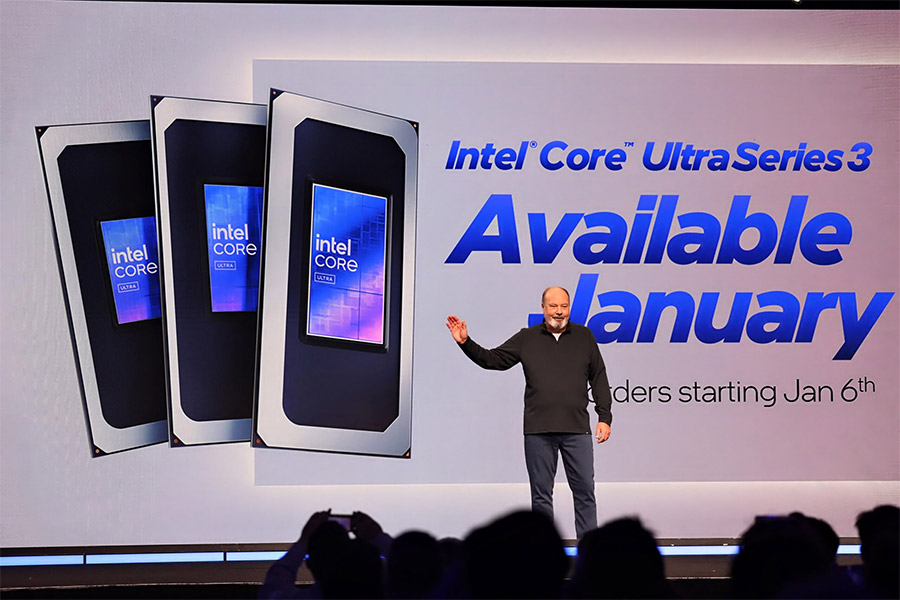
In a landmark presentation today at CES 2026, Intel Corporation officially unveiled the Intel Core Ultra Series 3 processors, codenamed “Panther Lake,” marking a historic shift in the semiconductor landscape.
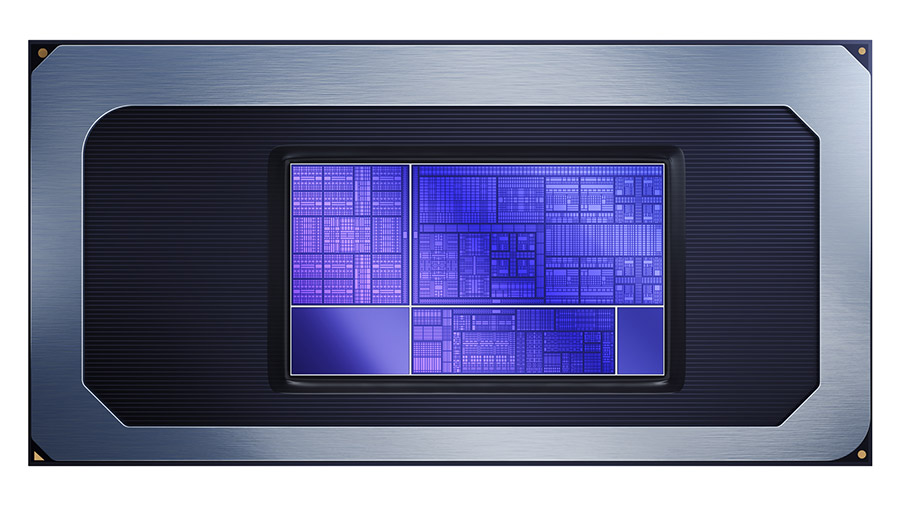
As the first consumer platform built on the cutting-edge 1.8nm Intel 18A process node, the Series 3 represents the successful fulfillment of the company’s ambitious “five nodes in four years” strategy, positioning Intel at the vanguard of the next generation of computing.
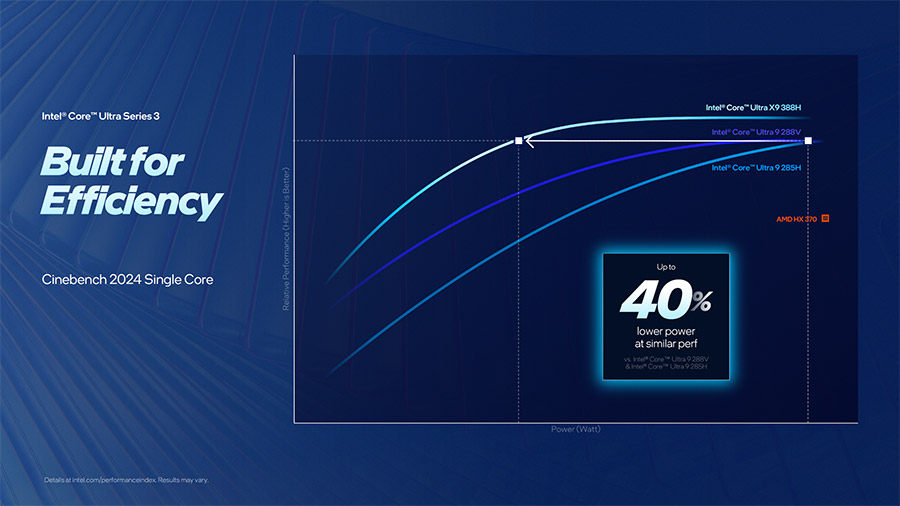
The announcement, delivered by Intel leadership just hours ago, focused heavily on the unprecedented synergy between power efficiency and artificial intelligence. The Core Ultra Series 3 introduces a ground-up architectural overhaul that dramatically slashes power consumption while setting new records for x86 battery life. Intel claims the new chips can power ultra-thin laptops for up to 27 hours of continuous video playback, effectively closing the efficiency gap with ARM-based competitors and reclaiming the mobility crown for the x86 ecosystem.
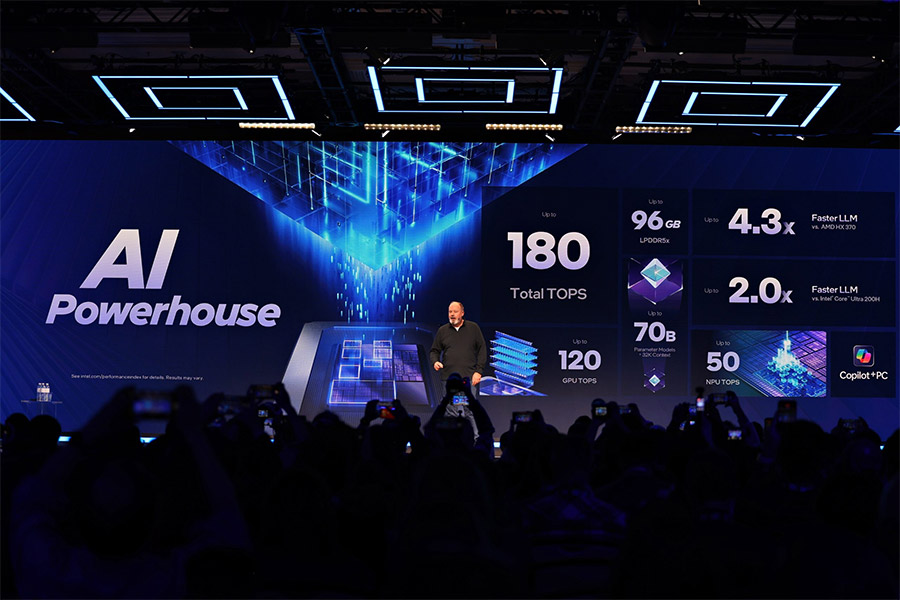
At the heart of the Series 3 is a massive leap in AI throughput. The dedicated Neural Processing Unit (NPU) now delivers over 50 TOPS (Trillions of Operations Per Second) of performance on its own. When combined with the CPU and the new integrated GPU, the total platform AI compute exceeds 120 TOPS. This allows for the local execution of significantly larger language models and more complex generative AI workflows without relying on cloud-based processing, a move Intel describes as the “democratization of private AI.”
Gaming and professional creative performance have also seen a substantial boost thanks to the integration of the Xe3 graphics architecture, also known as “Celestial.” The flagship Core Ultra X9 388H features 12 Xe-cores and utilizes XeSS 3 frame generation to deliver a 77% performance increase over the previous generation. This leap enables high-fidelity gaming on integrated graphics that was previously only possible with dedicated mid-range GPUs, further blurring the line between portable workstations and thin-and-light consumer devices.
Beyond consumer electronics, Intel is also expanding the Core Ultra brand into the industrial sector. For the first time, Series 3 chips will be available with specialized certifications for edge computing, robotics, and medical automation, ensuring 24/7 reliability in mission-critical environments. This expansion signals Intel’s intent to unify its high-performance AI architecture across both the home office and the industrial floor.
Global retail availability is set to begin almost immediately, with major partners including Dell, Lenovo, and HP showcasing over 200 new designs powered by the Series 3 at their respective CES booths. Pre-orders for flagship devices, such as the redesigned Dell XPS 13 and Lenovo Yoga Pro, opened today, with shipping expected to commence on January 27. With this launch, Intel has not only modernized its product stack but has set a formidable new benchmark for what consumers should expect from the AI PC in 2026.