
Today, Huawei China introduced a suite of high-end devices, with the spotlight firmly fixed on the new Mate X7 foldable flagship and the innovative MatePad Edge convertible tablet.
The Huawei Mate X7 sets a new standard for foldable design, featuring five color options—Obsidian Black, Cloud Brocade Blue, Cloud Brocade White, Galaxy Red, and Phantom Purple—and notably integrates the intangible cultural heritage Yun Jin (Cloud Brocade) craftsmanship into its aesthetic.
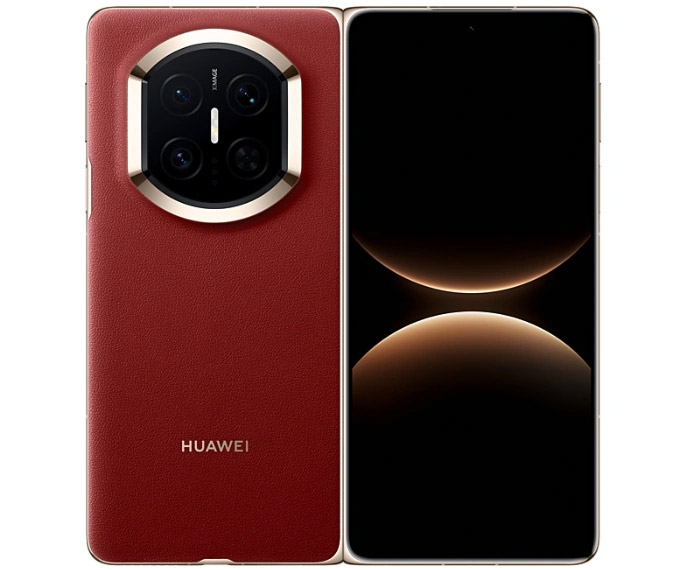
Weighing a mere 235g, the device achieves a refined balance of portability and performance, measuring just 4.5mm when unfolded and 9.5mm when folded. Durability is significantly enhanced by the “all-new Ultra-Reliable Folding Basalt Architecture,” affording the Mate X7 an IP58 and IP59 rating for splash, water, and dust resistance.
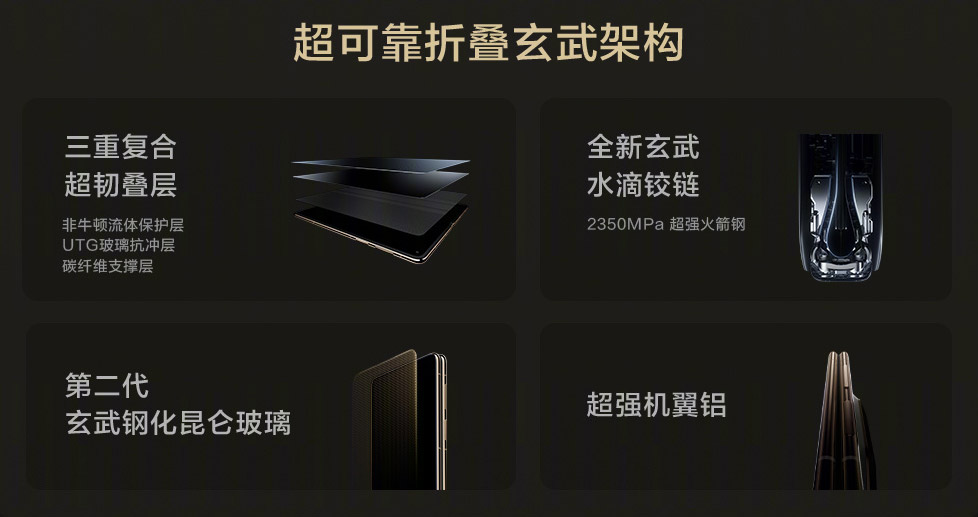
The Collector’s Edition further elevates protection with the Second-Generation Basalt Tempered Kunlun Glass on the exterior display, while other versions use the Second-Generation Kunlun Glass.
Under the hood, the Mate X7 is powered by the Kirin 9030 Pro processor running HarmonyOS 6. A key software innovation is the commercial debut of A2A (agent to agent) intelligent collaboration within HarmonyOS 6.

This allows users to issue voice commands via the “Xiaoyi” assistant on one screen, automatically triggering and opening corresponding third-party intelligent services—such as finance, travel, and shopping—on the other screen.
The display technology is equally cutting-edge: the outer screen is a 6.49-inch 1080p LTPO OLED with a high peak brightness of 3000 nits and an adaptive refresh rate of 1-120Hz. The expansive 8-inch 2416×2210 LTPO OLED inner display reaches a peak brightness of 2500 nits, also offering 1-120Hz refresh rates, with both screens supporting 1440Hz high-frequency PWM dimming for superior visual comfort.
Powering the device is a substantial 5600mAh battery, supporting 66W wired and 50W wireless fast charging, contributing to an overall claimed performance increase of over 42% compared to its predecessor.
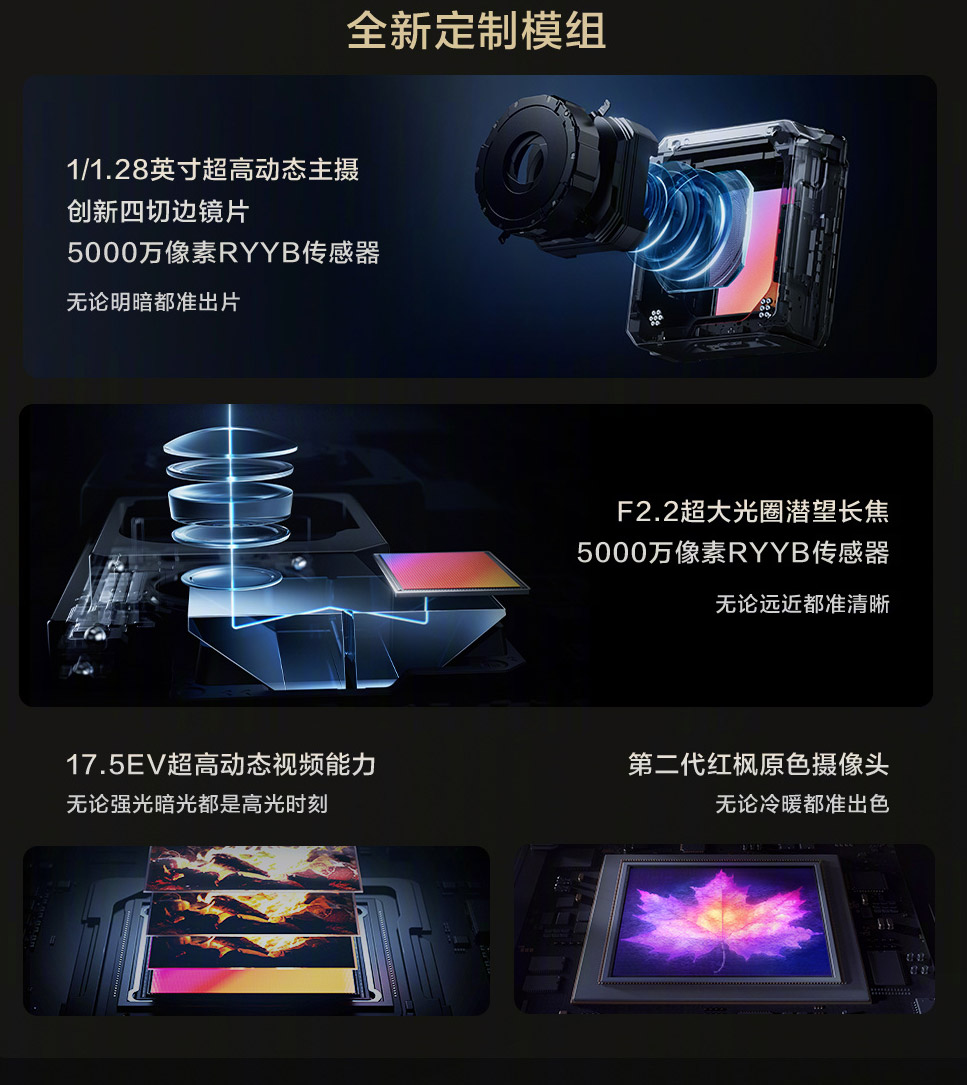
The device’s imaging capability is highlighted by the Second-Generation Red Maple Imaging System. By minimizing the camera module size, Huawei claims to have achieved “Slab Flagship Imaging Capability” in a foldable. The rear camera configuration includes a 50MP main camera with variable aperture, a 3.5x optical periscope telephoto lens, a 40MP ultra-wide lens, and a Second-Generation Hongfeng primary color camera.
Richard Yu, head of Huawei Consumer Business Group, lauded it as the “King of Foldable Imaging.” Specifically, the Collector’s Edition is advertised to have a 1/1.28-inch main sensor that captures 100% more light than the Apple iPhone 17 Pro Max, with its F2.2 periscope telephoto lens capturing 127% more light than the same iPhone model.
The Mate X7 Collector’s Edition also features Tiangong satellite communication and Beidou satellite messaging support, while the standard version includes Beidou messaging. Connectivity options feature Wi-Fi 7 and Bluetooth 6.0. The Mate X7 starts at 12,999 CNY (approximately RM7579) for the 12GB+256GB model, with the high-end 20GB+1TB Collector’s Edition with M-Pencil set at 17,599 CNY (approximately RM10,100).
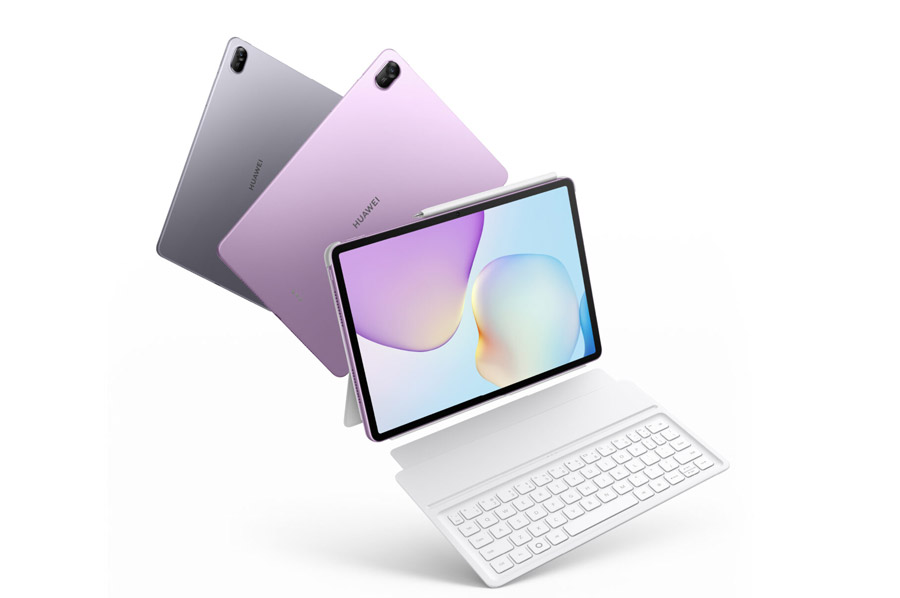
Sharing the stage was the Huawei MatePad Edge, the company’s first HarmonyOS two-in-one convertible tablet, starting at 5999 CNY (approximately RM3486).
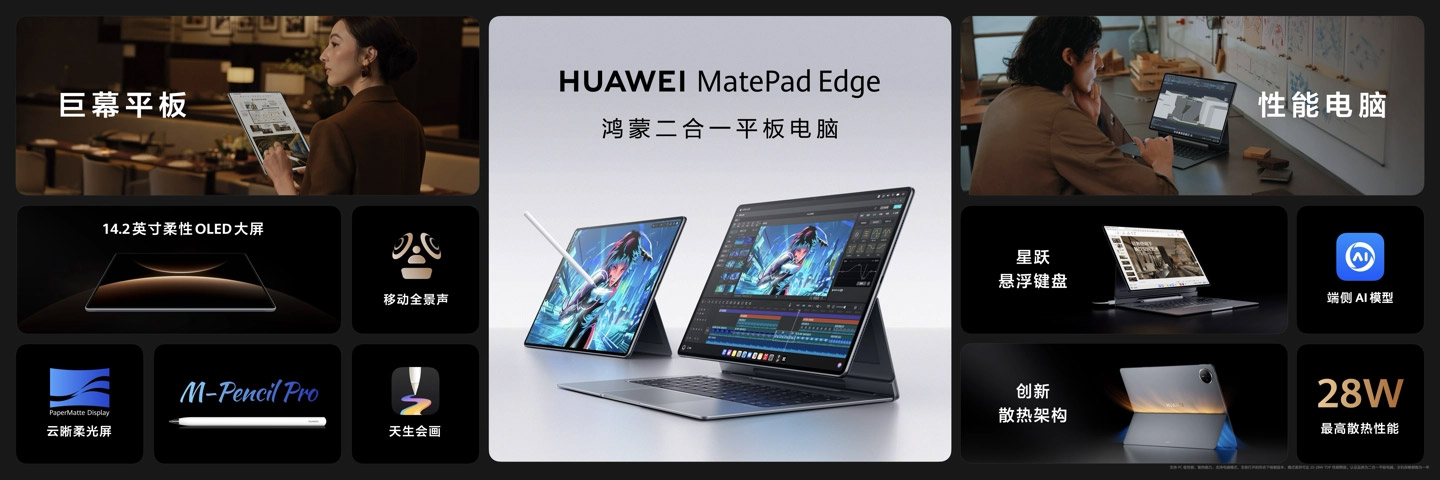
The MatePad Edge is defined by its ability to seamlessly switch between three modes—Laptop, Stand, and Tablet—leveraging the deep integration of the HarmonyOS platform. In Laptop mode, it pairs with the new Xingyue Floating Keyboard and a full-area touchpad to deliver a complete PC-like experience.
Detaching the magnetic keyboard instantly transforms it into a thin, large-screen tablet featuring a 14.2-inch 3.1K (3120 x 2080) Flexible OLED display with a 120Hz refresh rate and a 94% screen-to-body ratio.
To address eye strain and glare in office settings, the display utilizes Cloud Glare Soft Light Screen Technology, which combines nano-etching and nano-magnetron anti-reflection to effectively eliminate screen hotspots and earn the German TÜV Eye Comfort 3.0 certification.
Despite its slim profile, the MatePad Edge maintains 28W of performance output through an innovative cooling architecture that includes dual fans, dual VC vapor chambers, and micropump liquid-cooling film technology.
Finally, built on the HarmonyOS AI PC Architecture, the tablet offers advanced local AI capabilities, such as Xiaoyi Image-to-PPT, Xiaoyi Canvas, and Xiaoyi Knowledge Base, to enhance productivity.