Google officially introduced Wear OS 7 during the Google I/O 2026 developer conference, marking a major technical transition for the wearable platform.
Built on the Android 17 framework, the updated operating system focuses on glanceable data delivery and core power management.
Developers can currently access the system via the Wear OS 7 Canary Emulator, with a consumer rollout scheduled for later this year.
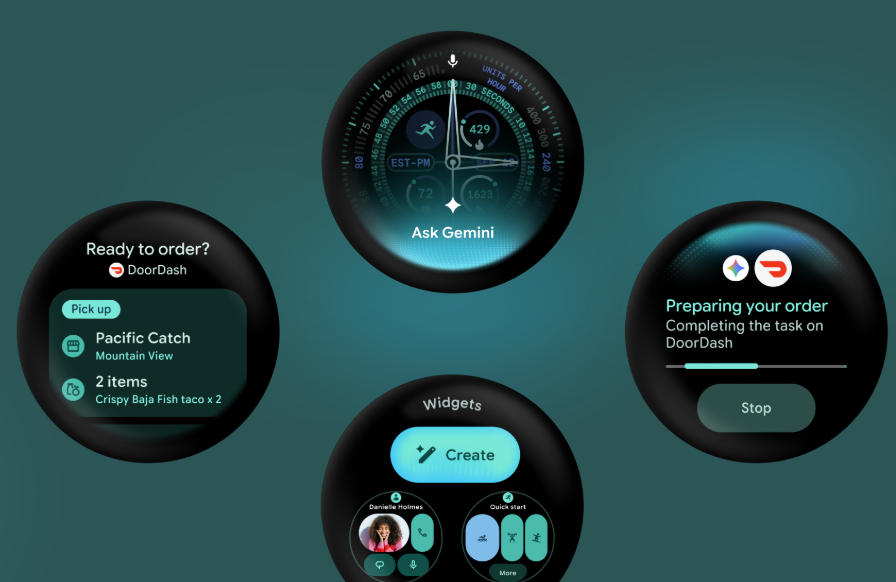
The most significant structural shift comes with the introduction of Wear Widgets, which replaces the long-standing Tiles interface.
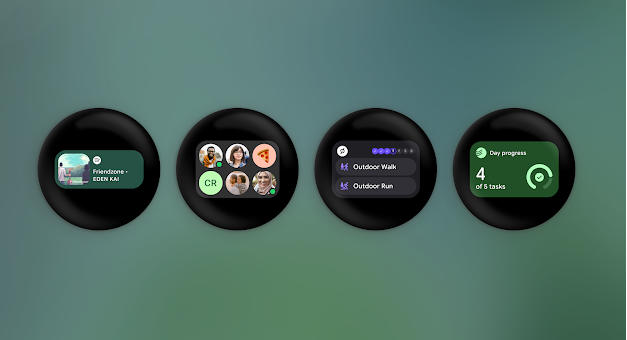
Designed to match the layout standards of mobile devices, these widgets support 2×1 and 2×2 configurations to offer higher data density and more granular layout customization on small screens.
Additionally, the system enables direct cross-device synchronization, allowing users to port custom widgets generated via Android’s AI tools straight to their smartwatches.
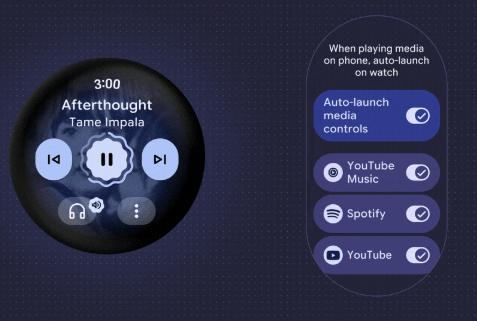
Real-time information delivery receives an upgrade through the new Live Updates framework. This feature injects persistent status indicators directly into the watch face for time-sensitive tasks like ride-sharing arrivals, food delivery progress, or live sports tracking.
Users can tap the watch face icons to expand them into full dynamic cards, which support active countdowns and ongoing telemetry updates without requiring the user to open the standalone application.
Under the hood, Google optimized the core runtime environment to improve power consumption. Devices migrating from Wear OS 6 to Wear OS 7 will see an average 10% increase in battery efficiency. While incremental, this baseline optimization extends operational tracking windows on existing hardware configurations.
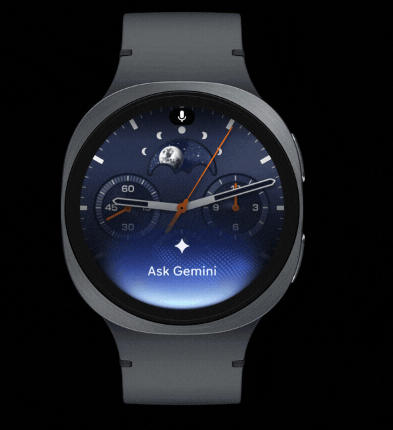
On-device artificial intelligence takes a step forward with the integration of Gemini Intelligence, though hardware restrictions apply.
The localized AI features require the processing capabilities of the Gemini Nano v3 chipset. Consequently, these specific automation tools are limited to flagship smartwatches launching in 2026, while older hardware generations upgrading to Wear OS 7 will bypass the AI capabilities to run the updated interface and efficiency optimizations exclusively.
For more tech news, stay tuned to MyMobileTrend
Source: Google